
CRPS Research for Brighter Moments.
Is the CRPS-RISE trial right for you?
CRPS‑RISE is a clinical research trial that is studying an investigational medicine for adults living with Complex Regional Pain Syndrome Type 1 (CRPS‑1).
View on ClinicalTrials.gov
About the CRPS-Rise Clinical Trial
This is a pivotal Phase 3, triple-blind, placebo-controlled clinical research trial evaluating an investigational medicine called neridronate.
Participants are randomly assigned (by chance) to receive either:
- The investigational medicine (neridronate), or
- A placebo (looks like neridronate but does not contain any active ingredients or drug in it)
Why Consider Participating in a Clinical Research Trial?
By taking part in this trial, you may:
- Help advance research for people living with CRPS
- Contribute to the development of potential future treatments
- Receive trial-related care at no cost
Participation is voluntary, and you may withdraw from the trial at any time.
Participation Requirements
CRPS-RISE will include about 270 adults who have CRPS-1. To participate this clinical trial, you must:

Be 18 years or older
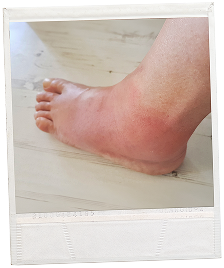
Have the “warm subtype” of CRPS-1, meaning the affected limb is red, warm, or/and swollen

Have developed CRPS symptoms within the last 6 months
There are other considerations a trial doctor can discuss with you.
What Does Participation Involve?
If you choose to participate, the trial may last approximately 18 weeks at research centers across the United States, and may include:
- Complete a screening period between 2 and 6 weeks
- Intraveneous (IV) treatment on Days 1, 4, 7, and 10
- Follow-up visits through Week 12
The trial team will explain all procedures, visits, and expectations before you decide whether to participate.

About Complex Regional Pain Syndrome Type 1 (CRPS-1)
Complex Regional Pain Syndrome Type 1 (CRPS-1) is a chronic painful condition that most often affects one limb, such as an arm, leg, hand, foot, wrist, or ankle. It can develop after a serious injury like a fracture or surgery, or after a minor injury like a sprain, strain, or bump. Symptoms may include persistent pain, sensitivity to touch, swelling, reddening or other changes in skin color or temperature, and reduced movement in the affected area.
Frequently Asked Questions (FAQs)
-
A clinical trial is a research study that tests new medicines or treatments. People choose to take part as volunteers. Doctors, nurses, and other trained staff run the trial. Strict rules are followed to help protect your safety. The CRPS-RISE trial is studying an investigational medication called neridronate to evaluate its effects in adults living with CRPS-1.
-
About 270 men and women with CRPS-1 will be in this trial. The trial will last about 18 weeks. It will include a:
- Screening period of at least 2 weeks and up to 6 weeks to see if you are eligible to be in the trial.
- Trial treatment period of about 10 days when you will get neridronate or placebo through an IV on Days 1, 4, 7, and 10.
- Period of about 8 ½ weeks after finishing the trial treatment. This period is to see how you and your CRPS-1 are doing. You must come to the site for a checkup during Weeks 3, 6, and 12. The site will also telephone you two times to see how you are doing.
-
Participation in this trial is expected to last approximately up to 18 weeks, including screening, treatment, and follow-up visits. Participants may also have the opportunity to enroll in a registry of up to 2 years to learn more about effects, completed through questionnaires every 3 months with no doctor visits or procedures.
-
No. This is a triple blinded trial, meaning neither you, the trial doctor, their staff, or the Sponsor will know whether you are getting neridronate or placebo. In the case of an emergency, the trial doctor can find out this information.
-
The trial is expected to take place at select research centers across the United States.
-
You will not have to pay for the investigational drug, placebo, or trial-related care. You may be compensated for your time. This can include travel, payments and other services depending on your needs. The trial team can give you further information.
-
At the moment no. After they complete the trial, participants who are still experiencing symptoms of CRPS-1 may be able to receive neridronate (with no risk of getting placebo) through an expanded access program. The decision would be determined by your trial doctor and yourself.
-
Yes. Participation in this trial is completely voluntary. You may leave the trial at any time, for any reason, without penalty or loss of benefits to which you are otherwise entitled, nor will it affect your future medical care.
Want to learn more?
Visit ClinicalTrials.gov for full trial details, including eligibility criteria and participating locations.
View on ClinicalTrials.gov